
Subscribe and receive email notifications of new blog posts.
 RSS Feed
-
2026 | 1 Posts
- January | 1 Posts
- 2025 | 4 Posts
- 2024 | 25 Posts
- 2023 | 13 Posts
- 2022 | 75 Posts
- 2021 | 69 Posts
- 2020 | 47 Posts
- 2019 | 91 Posts
- 2018 | 93 Posts
- 2017 | 107 Posts
16
8 Spots to Spot Pawpaw Trees Around Cincy
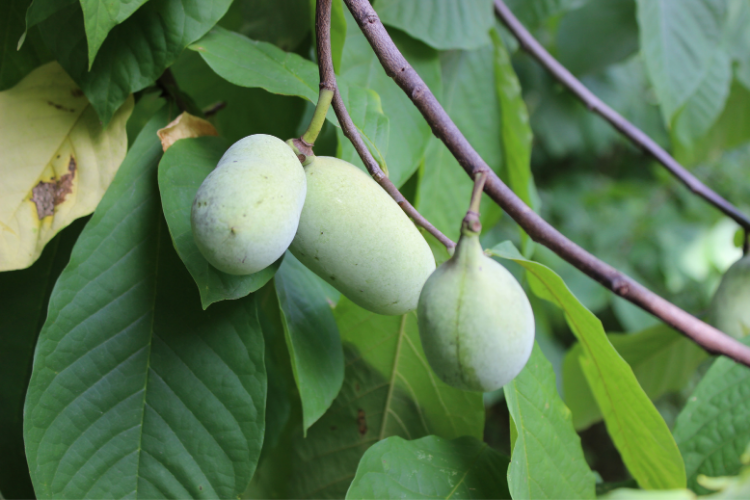
We love our pawpaws here in Cincinnati. Farmers sell them at local markets. Clever cooks make pawpaw chutney and jam. Local craft brewers even make small-batch pawpaw beers when the fruit is in season. It's a unique fruit, with a creamy avocado-like texture and a flavor that some describe as a cross between mango and banana. But if you're not from Ohio or Kentucky, there's a good chance you've never heard of one of America's most abundant native fruits.
That's probably because of their brief season, short shelf life, and readiness to bruise make them all but impossible to ship outside their native region. But if you live in Cincinnati, there's a good chance you have pawpaws growing right in your own backyard. Keep an eye out for pawpaw trees at these beautiful Cincy area parks this fall.
French Park
3012 Section Rd., Cincinnati, OH 45237
View this post on Instagram
Once the vast estate of Herbert Greer French, the land now known as French Park has been a popular hiking spot in Cincinnati for the better part of a century. In addition to the park's handsome brick manor, the park includes 275 acres of woods, wetlands, and meadows with a lovely 2.9-mile loop trail. The terrain is moderately hilly, and pawpaw trees are fairly common understory plants along the trail. Watch for the trees' distinctive large, oblong leaves, and for the fruit itself, which is green, kidney-shaped, and grows in clusters.
Sharon Woods
11450 Lebanon Rd., Sharonville, OH 45241
A beautiful 730-acre park just 25 minutes from the heart of Cincinnati, Sharon Woods is a popular spot for hiking and birdwatching. The park also includes a small lake that offers great fishing and kayaking opportunities. Keep an eye out for pawpaw trees along the lakeshore as you paddle around! They love to grow in wet, low-lying areas. Sharon Woods is home to several beautiful hiking trails as well, including a 2.6-mile paved pathway that encircles the lake. Pawpaws have also been seen growing along the 0.7-mile Gorge Trail.
Shawnee Lookout
2008 Lawrenceburg, North Bend, OH 45052
View this post on Instagram
Tucked away in Ohio's southwestern-most corner, Shawnee Lookout offers rich history and splendid scenery. The park overlooks the Ohio River and Great Miami River valleys, with some truly exceptional views, especially as the leaves begin to change in fall. Shawnee Lookout is most famous for its Native American earthworks and historic Springhouse School and Log Cabin, but also offers a wealth of peaceful hiking trails where you can often spot pawpaws in bloom. Keep an eye out for the fruit along the 1.4-mile Miami Fort Trail in particular.
Ault Park
5090 Observatory Ave., Cincinnati, OH 45208
Most Cincinnatians know Ault Park as the site of local events like the Concours d' Elegance Car Show and the city's annual 4th of July festivities. Although the spectacular open-air pavilion and gardens of Ault Park may be the most well-known features of this Cincinnati green space, there's more to explore when you go off the beaten path. The more secluded corners of Ault Park offers a maze of nature trails that traverse shady woods, hills, valleys, and streams. Pawpaws are a common sight along many of the trails, particularly low-lying areas along the Valley Trail and Brook Trail.
Burnet Woods
3251 Brookline Ave., Cincinnati, OH 45220
View this post on Instagram
Pawpaws grow profusely along the shady slopes of Burnet Woods, one of Cincy's most deeply forested parks. Located a stone's throw from the University of Cincinnati campus, Burnet Woods encompasses 90 acres of quiet woodlands that are popular among locals for bird watching and dog walking. It won't take you long to spot pawpaw trees along the park's shady hiking trails. They're especially common near the small lake at the heart of Burnet Woods, which is also a great spot for catch-and-release fishing if you're so inclined.
Caldwell Preserve
430 W North Bend Rd., Cincinnati, OH 45216
Caldwell Preserve, also known as the Caldwell Nature Center, is a great place to experience the landscape of Ohio as it may have looked before settlers arrived. A mix of old-growth forest and newer plantings, the preserve includes some dense stands of pawpaw trees, often shaded beneath a towering canopy of mature beech, walnut, and oaks. Keep an eye out for pawpaws as you hike the nature trail through the Mill Creek Valley.
Rowe Woods
4949 Tealtown Rd., Milford, OH 45150
View this post on Instagram
One of a handful of properties across Hamilton County that are collectively managed as the Cincinnati Nature Center, Rowe Woods spans over 1,000 acres just east of the city. It's a spectacular resource for nature lovers, including a 65-acre tract of old-growth forest and 14 miles of hiking trails that explore a wide range of habitats. The woods are popular among bird watchers and wildflower aficionados, and there are plenty of opportunities to see pawpaws here. Keep in mind that harvesting and foraging are not allowed; look but don't pick! Admission to Rowe Woods is free for Cincinnati Nature Center Members, and there is a small fee for non-members.
Mt. Airy Forest
5083 Colerain Ave., Cincinnati, OH 45223
Spanning approximately 1,500 acres, Mt. Airy Park has the distinction of being Cincinnati's largest park. It's also one of the oldest urban reforestation parks in America and has been one of Cincinnati's most prized outdoor resources since 1911. The park includes many miles of hiking, mountain biking, and horseback riding trails, all of which traverse an amazing diversity of habitats, from hardwood and conifer forests to meadows and wetlands. You can frequently spot pawpaws along the shady wooded slopes leading down to creek bottoms.
Savor the Flavor
Pawpaws are ripe for only a brief time, so don't miss it! Here in the Cincinnati area, the fruit is usually in its prime in late September, though it can be a little different every year. If you find some in a park we forgot to mention, be sure to let us know in the comments section below!







The Cutler Real Estate® word mark is a registered trademark owned by Cutler and Associates, Inc.
Privacy Policy / DMCA Notice / ADA Accessibility


